.svg)
.svg)


%201.svg)

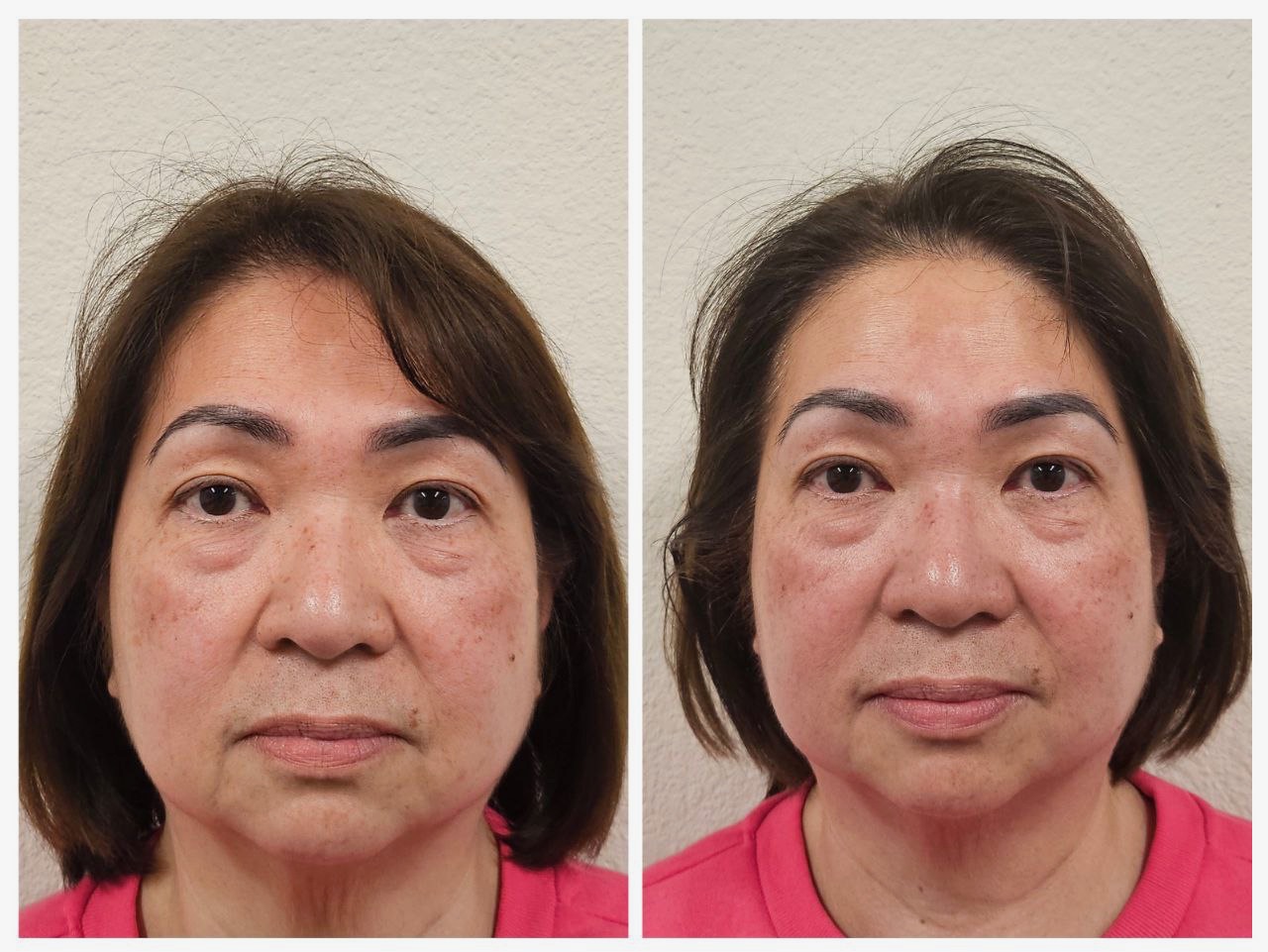
Yes, face massage works. But the results depend almost entirely on which technique is used and what the face actually needs. A lymphatic drainage massage and a lifting massage are not the same thing. Neither is gua sha. Each works on a different layer of the face and produces different results. Knowing the difference is what turns a pleasant experience into one that actually changes how your face looks and feels.
This practical guide covers the main types of face massage, what each does, and how to choose the right one for you.
The three main types of face massage
Lymphatic drainage massage
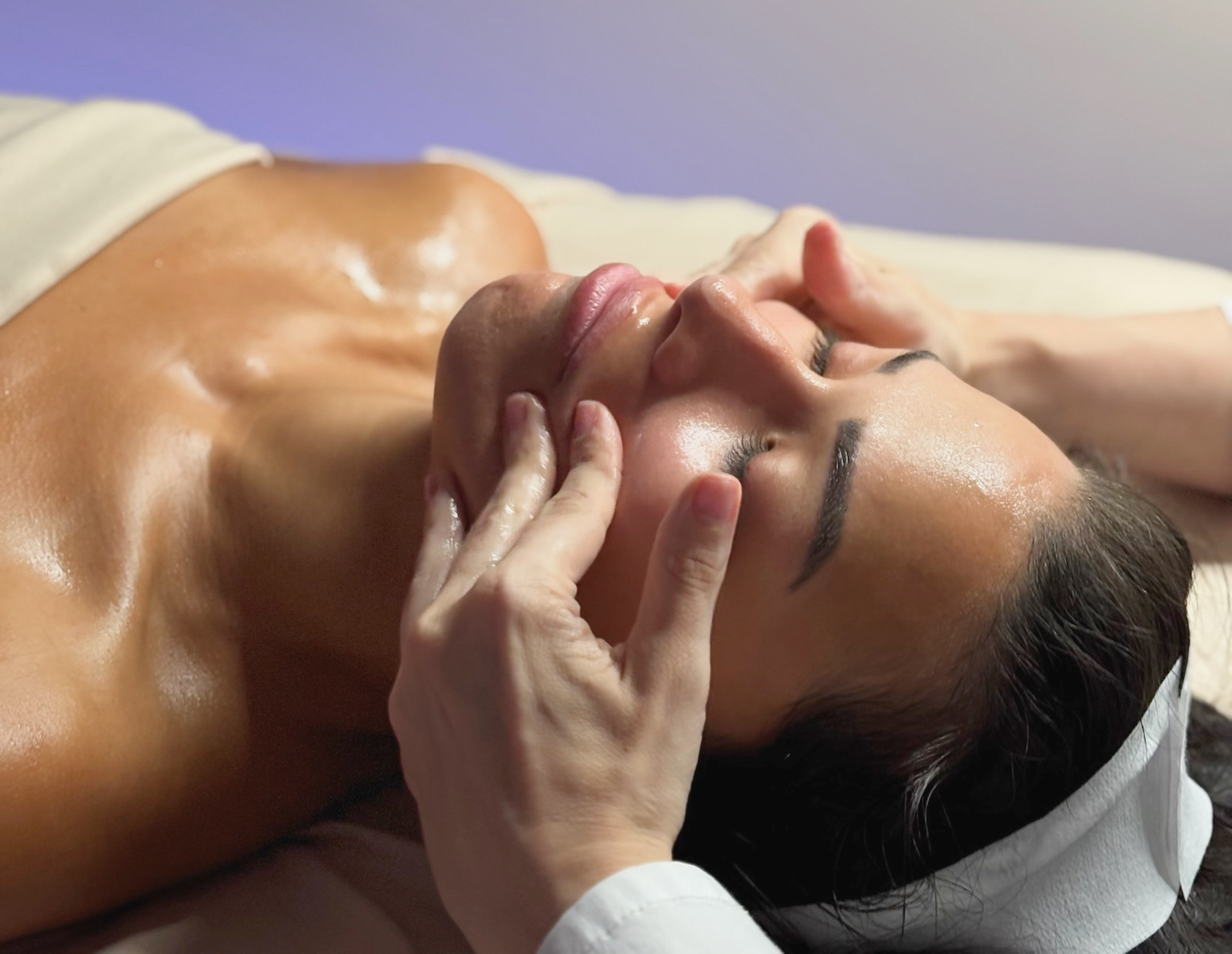
The lightest of the three techniques. Lymphatic drainage uses gentle, rhythmic strokes to encourage fluid movement through the face and neck. It is primarily a depuffing treatment, clearing the fluid congestion that makes the face look heavy, tired, and less defined.
Best for: morning puffiness, a face that looks bloated or dull, fluid retention from travel, diet, or poor sleep. Results are immediate and visible. Skin looks brighter, features more defined, after a single session.
At FACECO: the Lymphatic Soft Lift Facial is built around this technique, available at both Beverly Hills and Newport Beach.
Read more: Can lymphatic drainage make you look younger?
Lifting and sculpting massage
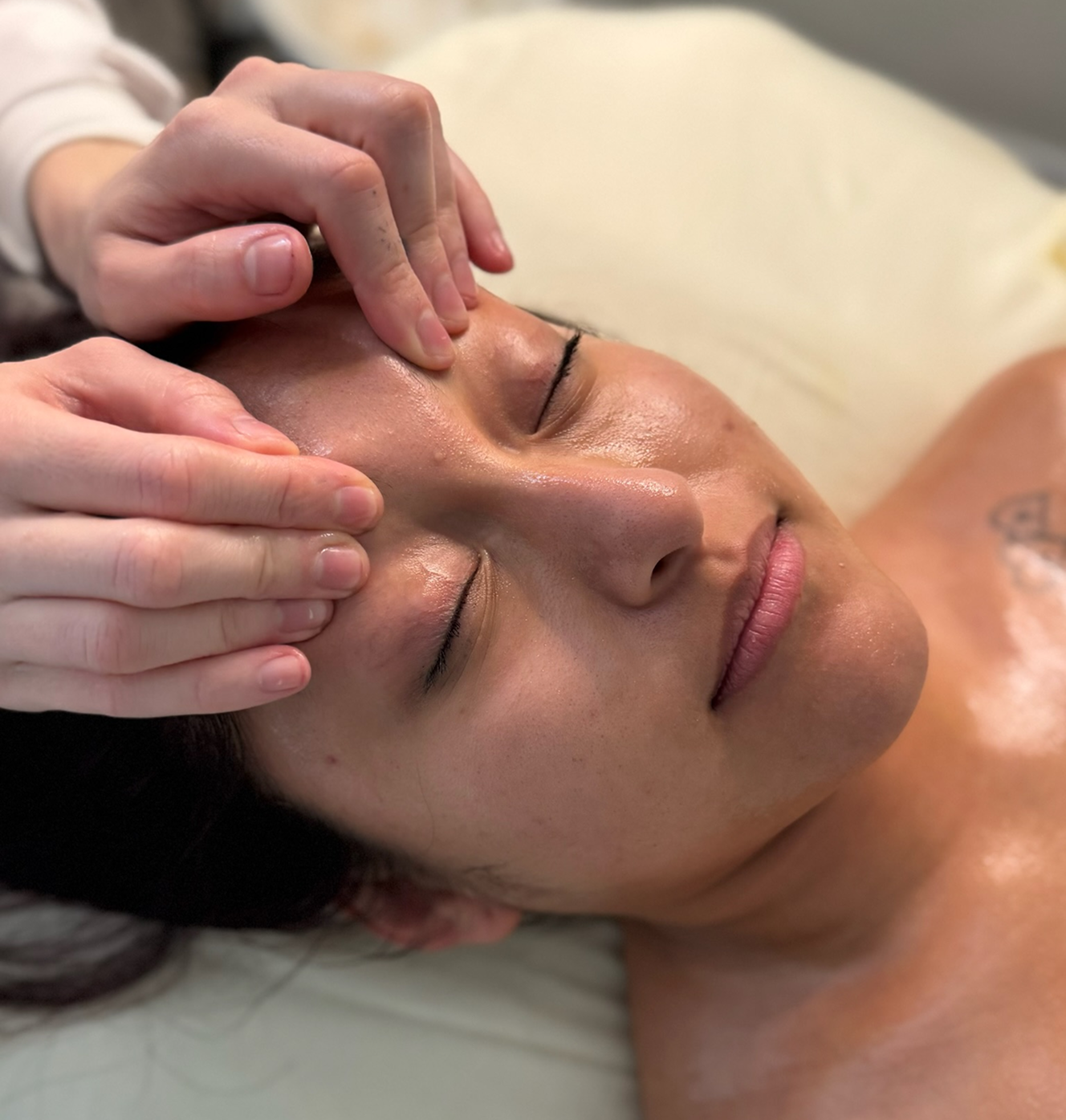
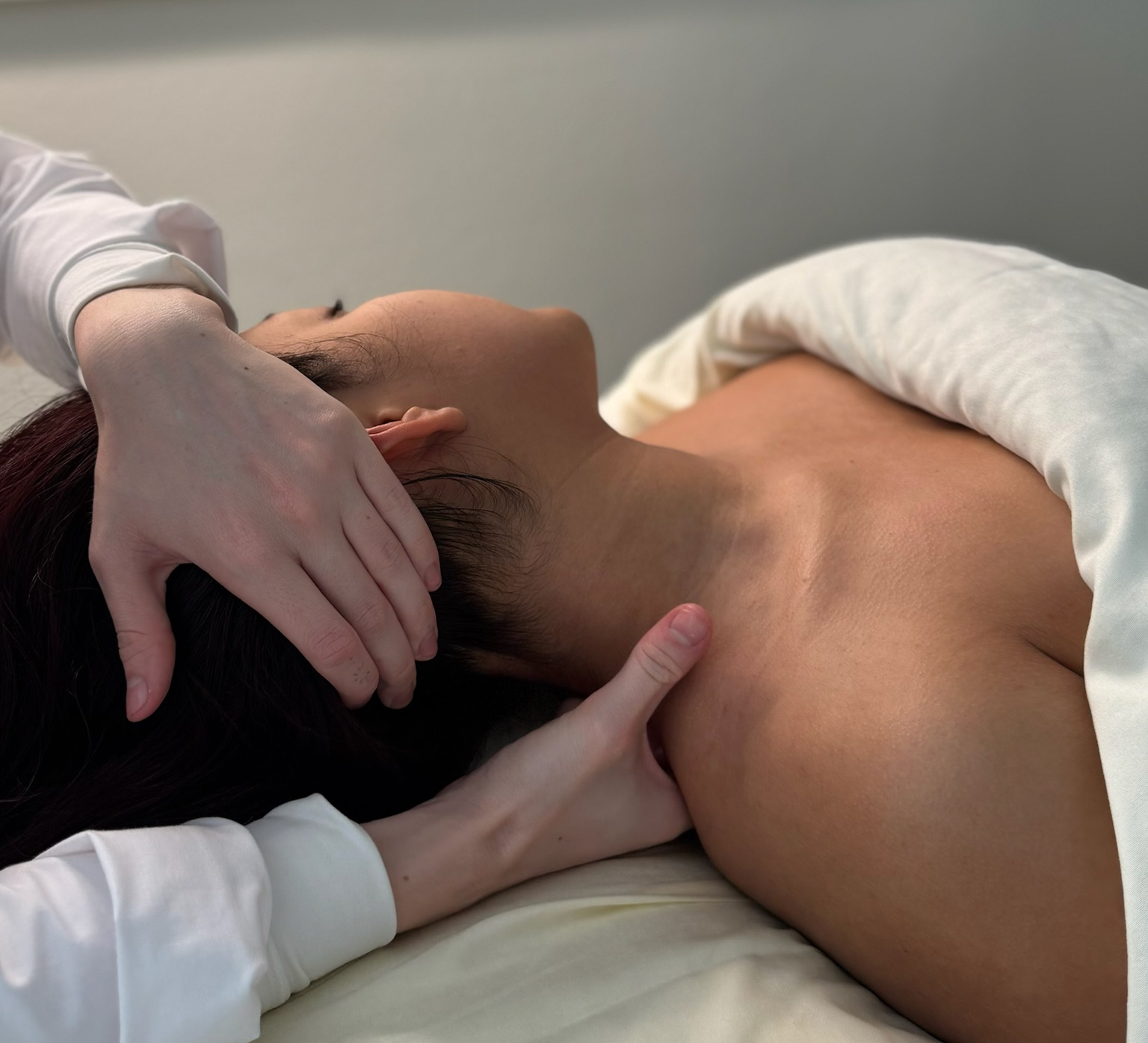
Works at a deeper level than lymphatic drainage. Lifting massage targets the facial muscles directly, releasing chronic tension and improving circulation in the deeper tissue. The result is structural: the face looks more defined, the jawline sharper, the cheekbones more visible.
At FACECO, this includes buccal massage, which reaches the jaw muscles from inside the mouth alongside the external work. It is one of the most effective ways to address the structural compression that makes the face look heavy and aged over time.
Best for: loss of definition, jaw tension, a face that looks compressed or heavy in the structure rather than just the fluid layer.
At FACECO: the Advanced Anti-Aging Lift Buccal+ covers sculpting and lifting. For jaw tension and TMJ-area tension specifically, the Advanced TMJ Buccal+ is the dedicated session. The Express Buccal Massage is a shorter option for those new to the technique.
Read more: What is buccal massage?
Gua sha and tool-based massage
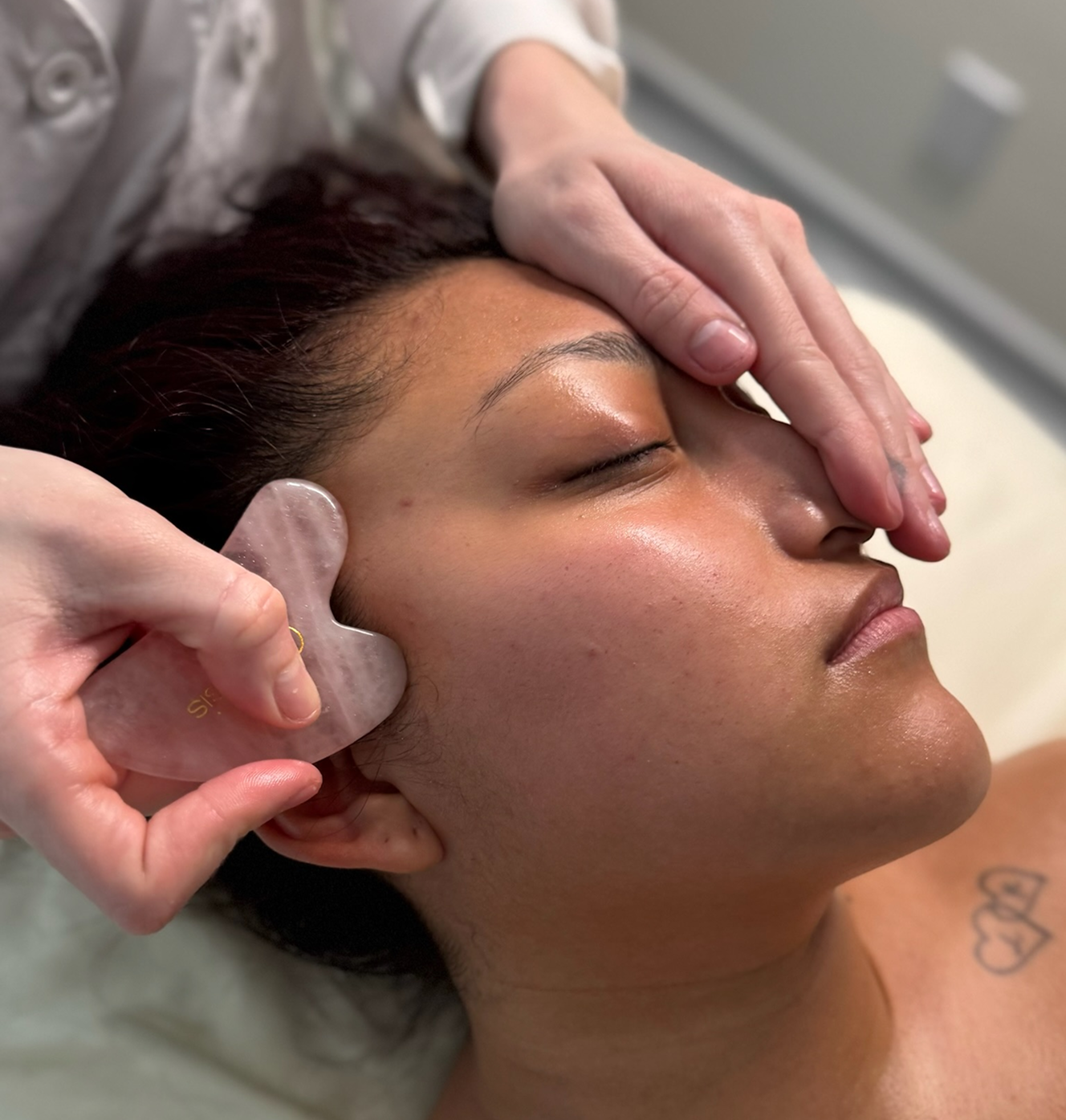
Gua sha uses a smooth stone tool to apply light to medium pressure along the face and neck. It improves circulation, supports lymphatic drainage at the surface level, and releases tension in the superficial facial muscles. It is a useful complement to deeper massage work and works well as a finishing technique or as part of a personalized add-on session.
Best for: circulation, surface drainage, and tension relief in the skin and very superficial tissue. Not a substitute for deeper muscle work but a valuable addition.
At FACECO, gua sha is available as part of a personalized add-on to any session, alongside other options like collagen mask, LED light, and high frequency.
Does face massage really work?
Yes, consistently and in ways that are measurable. What face massage does depends on the technique, but the underlying mechanisms are well established.
- Improved circulation delivers more oxygen and nutrients to skin cells, which improves skin tone and brightness over time
- Lymphatic drainage reduces the fluid retention that softens the face's natural contours and makes it look tired
- Muscle release from deeper massage work allows the face to return to a more open, defined structure as chronic tension lets go
- Gua sha and tool massage stimulate the skin and superficial tissue, improving texture and surface drainage
The results from a single session are real but temporary. Consistent sessions create lasting change.
How often should you get a face massage?
The right frequency depends on the goal:
For depuffing and skin radiance: weekly or fortnightly for the first month, then monthly to maintain.
For sculpting and structural definition: every 2 to 3 weeks for the first 4 to 6 sessions, then monthly. Results build cumulatively.
For jaw tension and TMJ-area tension relief: every 2 to 3 weeks initially, then monthly maintenance. Many clients say they notice a meaningful shift within the first few sessions.
What is the best face massage technique?
There is no single best technique — the right one depends on what the face needs. A face dealing primarily with puffiness needs different work than a face dealing with structural definition or jaw tension.
The most effective professional sessions combine techniques. At FACECO, personalized sessions are built around the client's specific concerns on the day. A session might begin with lymphatic drainage, move into lifting and buccal work, and finish with gua sha or a collagen mask as part of a personalized add-on. The combination is more effective than any single technique in isolation.
How to personalize your face massage session at FACECO
Every FACECO session starts with a short consultation. Based on what the face needs that day, the treatment is adjusted. The core session covers the primary concern, whether that is depuffing, sculpting, jaw tension, or a combination. From there, a personalized add-on can extend the session by 10, 20, or 30 minutes and may include:
- Extended scalp and neck massage
- Gua sha for surface drainage and tension release
- Collagen mask for hydration and skin quality
- LED light therapy
- High-frequency treatment
Add-ons are recommended based on what the esthetician observes during the session. This is what makes FACECO's approach personalized rather than templated.
Book a face massage session at FACECO
Professional face massage, including lymphatic drainage, lifting, buccal massage, and personalized add-ons, is available at both the Beverly Hills and Newport Beach locations.
Disclaimer: The information in this article is for general wellness and informational purposes only. FACECO is an aesthetic buccal massage salon, not a medical facility. We do not diagnose or treat medical conditions. Our treatments are non-invasive aesthetic services and are not a substitute for professional medical advice.