.svg)
.svg)


%201.svg)

Introduction
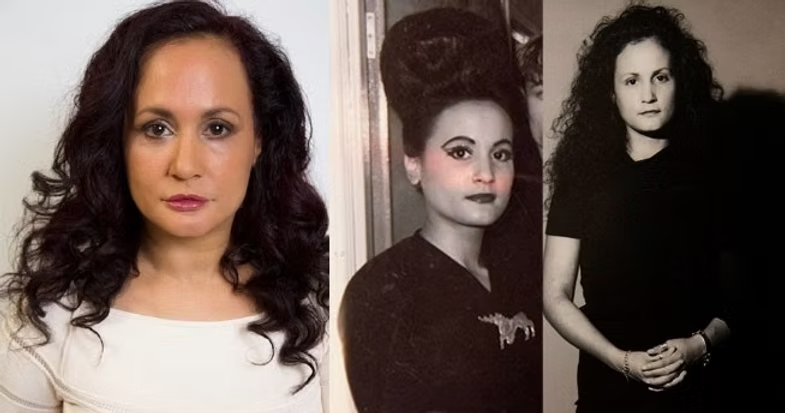
A while ago, I came across an article about a woman named Tess Christian, who claimed she hadn’t smiled in 40 years in order to prevent wrinkles. While I can’t confirm whether her story is entirely true, I do understand the logic behind it.
Reportedly inspired by old Hollywood stars and their seemingly ageless beauty, she adopted this extreme approach—believing that avoiding facial expressions would help keep her skin smooth. The story gained widespread attention through various media outlets, though it originated from the Daily Mail, a publication known for sensationalized content.
Many dermatologists have since weighed in, noting that while repetitive facial expressions can contribute to fine lines, avoiding expressions altogether is neither practical nor necessary.
Is Avoiding Facial Expressions the Answer?
Restricting facial expressions may theoretically reduce the formation of fine lines, but it is not a sustainable—or natural—approach to aging gracefully.
Instead, there are well-researched, holistic techniques that support youthful, firm skin without sacrificing expression, emotion, or quality of life. A more balanced approach focuses on relaxation, circulation, and collagen stimulation to promote natural rejuvenation.
The Role of Muscle Relaxation in Wrinkle Reduction
A key element in natural anti-aging is muscle relaxation.
When facial muscles are overworked—especially through habitual expressions such as frowning, squinting, or jaw clenching—they shorten and develop chronic tension. Over time, this tension contributes to deeper, more defined wrinkles.
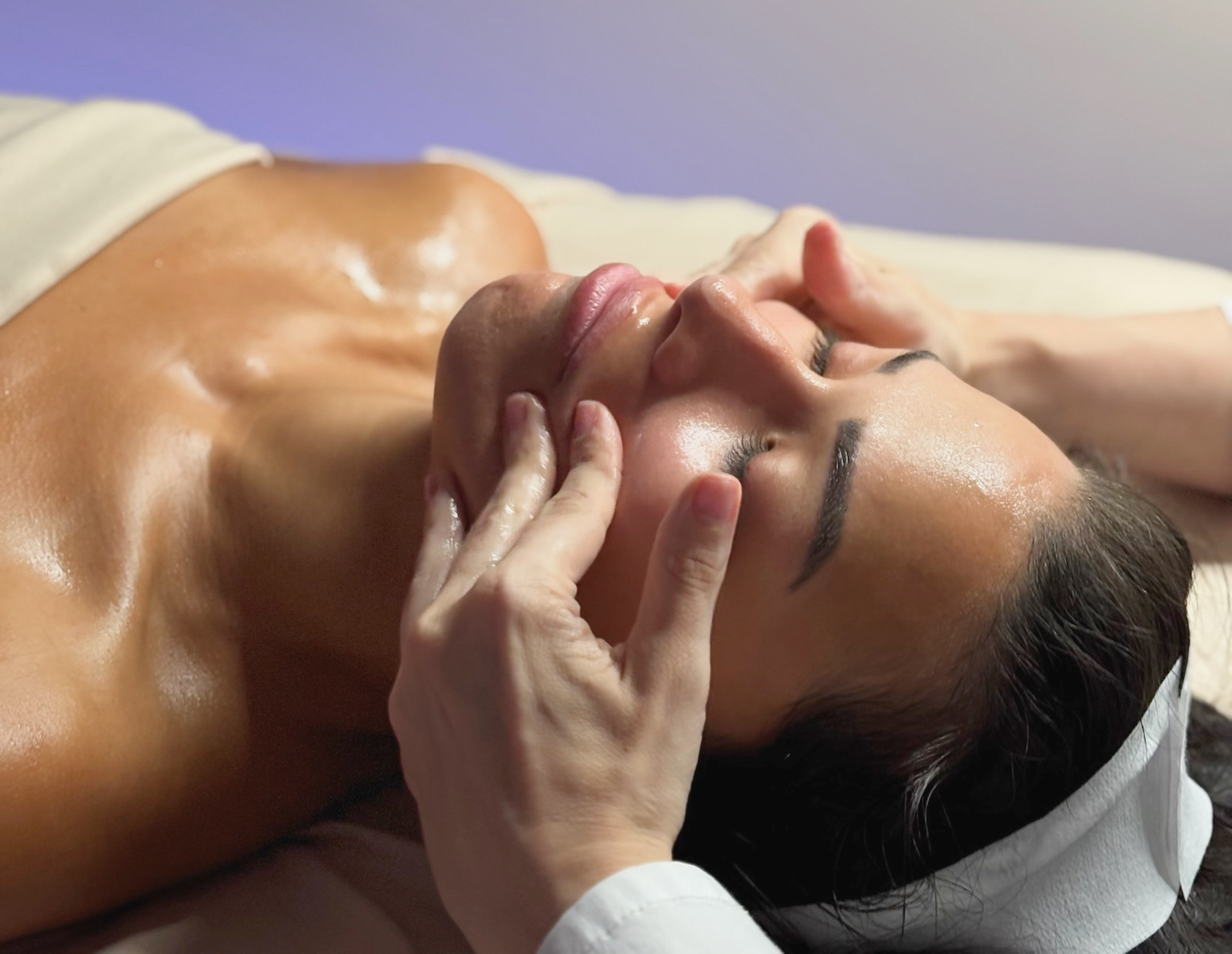
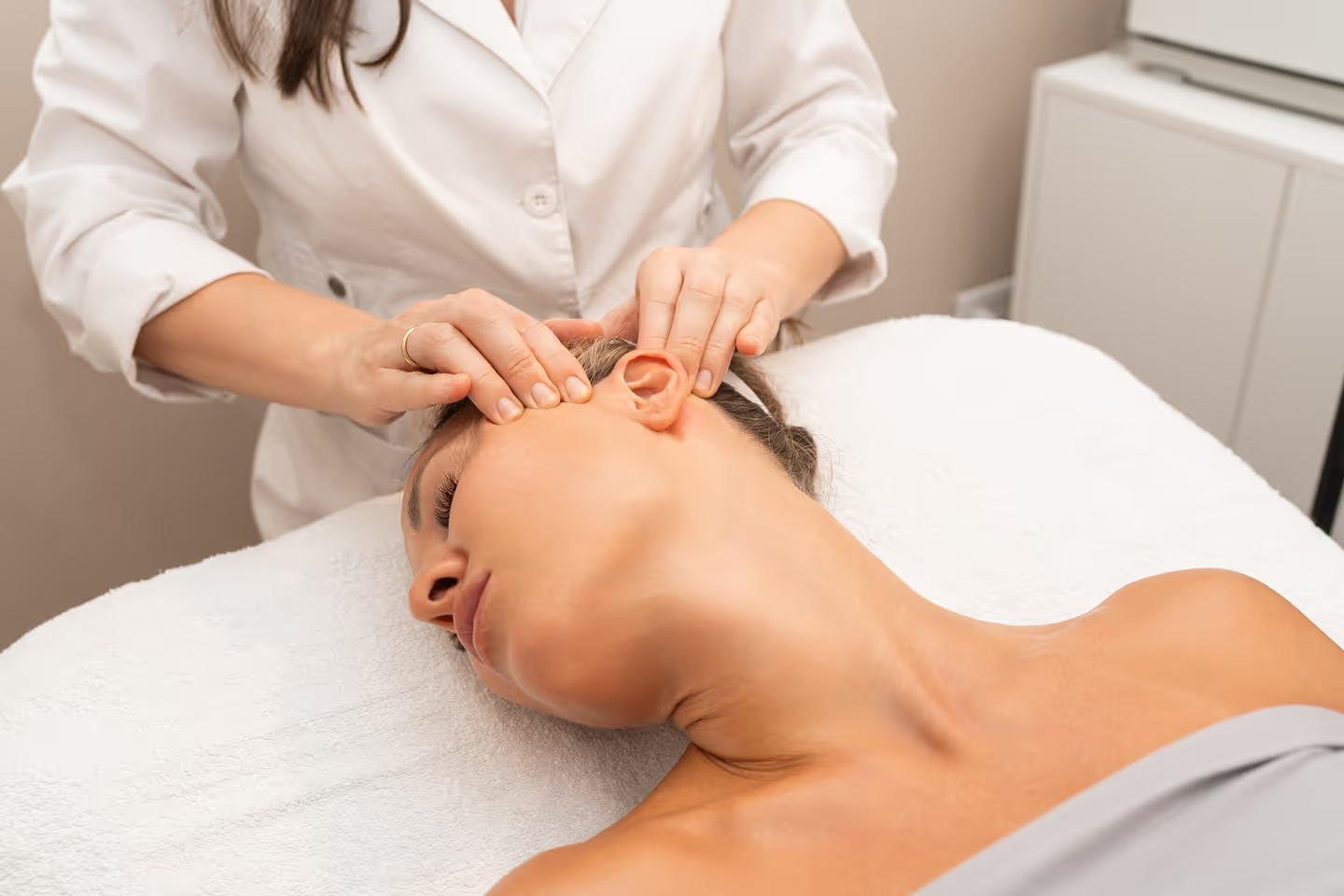
Targeted massage techniques help relax and lengthen these muscle fibers, allowing the skin to rest more smoothly over the facial structure and reducing the appearance of expression lines.
Techniques like myofascial facial massage and buccal massage help ease long-lasting muscle tension, smooth out current lines, and stop too much strain—leading to a younger and more relaxed look.myofascial facial massage and buccal massage relieve chronic muscle tension, soften existing lines, and prevent excessive strain—resulting in a more youthful and relaxed appearance.
How Collagen Supports Skin Rejuvenation
Collagen is the protein responsible for skin elasticity and firmness. As we age, natural collagen production declines, leading to sagging skin and wrinkle formation.
Facial massage plays a vital role in stimulating collagen synthesis by increasing blood flow and oxygen delivery to skin cells. Techniques such as Gua Sha and deep tissue facial massage activate fibroblasts—the cells responsible for producing collagen.
This stimulation supports the regeneration of new collagen fibers, helping maintain plump, resilient skin and slowing visible aging.
The Importance of Circulation for Healthy Skin
Healthy circulation is essential for skin vitality.
Increased blood flow delivers oxygen and nutrients necessary for cell renewal. Poor circulation, on the other hand, contributes to dullness, slower regeneration, and a fatigued appearance.
Massage techniques—including lymphatic drainage—boost microcirculation, improve nutrient delivery, and enhance detoxification. The result is a natural glow and improved skin resilience against environmental stressors.
The Role of the Lymphatic System in Skin Health
The lymphatic system plays a crucial role in removing toxins and excess fluid from the body—including the face.
When lymphatic flow becomes sluggish, it can lead to puffiness, inflammation, and congestion, all of which contribute to an aged and tired appearance.
Lymphatic drainage massage gently stimulates lymph flow, reducing swelling and detoxifying the skin. Regular practice helps decongest facial tissues, resulting in clearer skin and a more sculpted facial structure.
Contouring and Lifting Through Facial Massage
Beyond relaxation and circulation, facial massage is a powerful tool for contouring and lifting.
Over time, muscle tension and gravity contribute to facial sagging. Targeted techniques help counteract these effects naturally.
Scalp and neck massage releases tension that pulls facial tissues downward, while buccal massage and Gua Sha tone facial muscles—enhancing cheekbone definition and jawline structure for a naturally lifted appearance.
How Often Should These Techniques Be Practiced?
For optimal results, facial massage techniques should be practiced consistently.
Performing them once a week—either independently or with a trained specialist—allows muscles to fully relax, supports lymphatic drainage, and encourages ongoing collagen production.
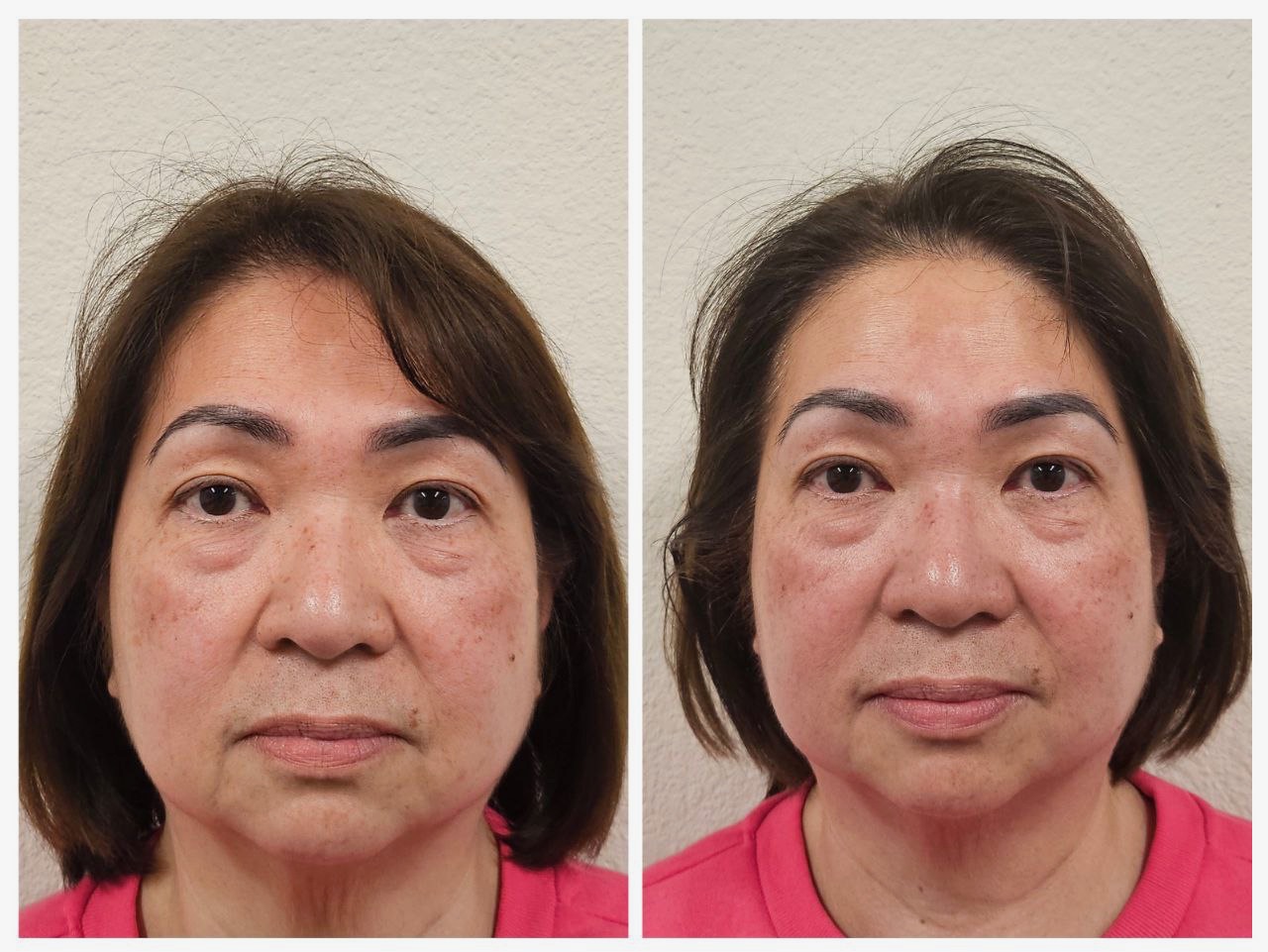
With regular sessions, many people notice visible improvements in skin texture, tone, firmness, and reduced puffiness, along with long-term benefits such as improved circulation.
.avif)
Final Thoughts: A More Natural Approach to Aging Gracefully
Aging gracefully isn’t about suppressing expression or imposing unnatural restrictions on the face. It’s about understanding how to support the skin and underlying structures through effective, natural methods.
By incorporating muscle relaxation, targeted facial massage, and techniques that promote circulation and collagen production, we can maintain a radiant, youthful complexion—without invasive interventions.
Consistency and education are key. When we understand how these techniques work with our natural biology, we gain control over the aging process rather than resisting it.
Supporting circulation, collagen production, and muscle relaxation allows us to remain vibrant, expressive, and confident—while honoring the natural passage of time.
Disclaimer: The information in this article is for general wellness and informational purposes only. FACECO is an aesthetic buccal massage salon, not a medical facility. We do not diagnose or treat medical conditions. Our treatments are non-invasive aesthetic services and are not a substitute for professional medical advice.